Festivals occupy a unique position to shape responsible AI says report
12 May 2026
Festivals Edinburgh has published a major new publication exploring how the Edinburgh Festivals and the wider cultural sector can respond to the opportunities and challenges presented by Artificial Intelligence [AI].
- The major new report brings together leading thinkers to explore how festivals should respond to AI’s growing impact on creativity, audiences and trust.
- The publication posits that Edinburgh’s Festivals are global leaders and ‘living laboratories’ for responsible, human‑centred approaches to AI in the arts.
- The report calls for cultural leadership, urging festivals to shape how AI is used, understood and governed rather than simply adopting new tools.
- The publication warns that festivals risk losing visibility and control to platforms and intermediaries in the AI era and calls for decisive, values‑led action.
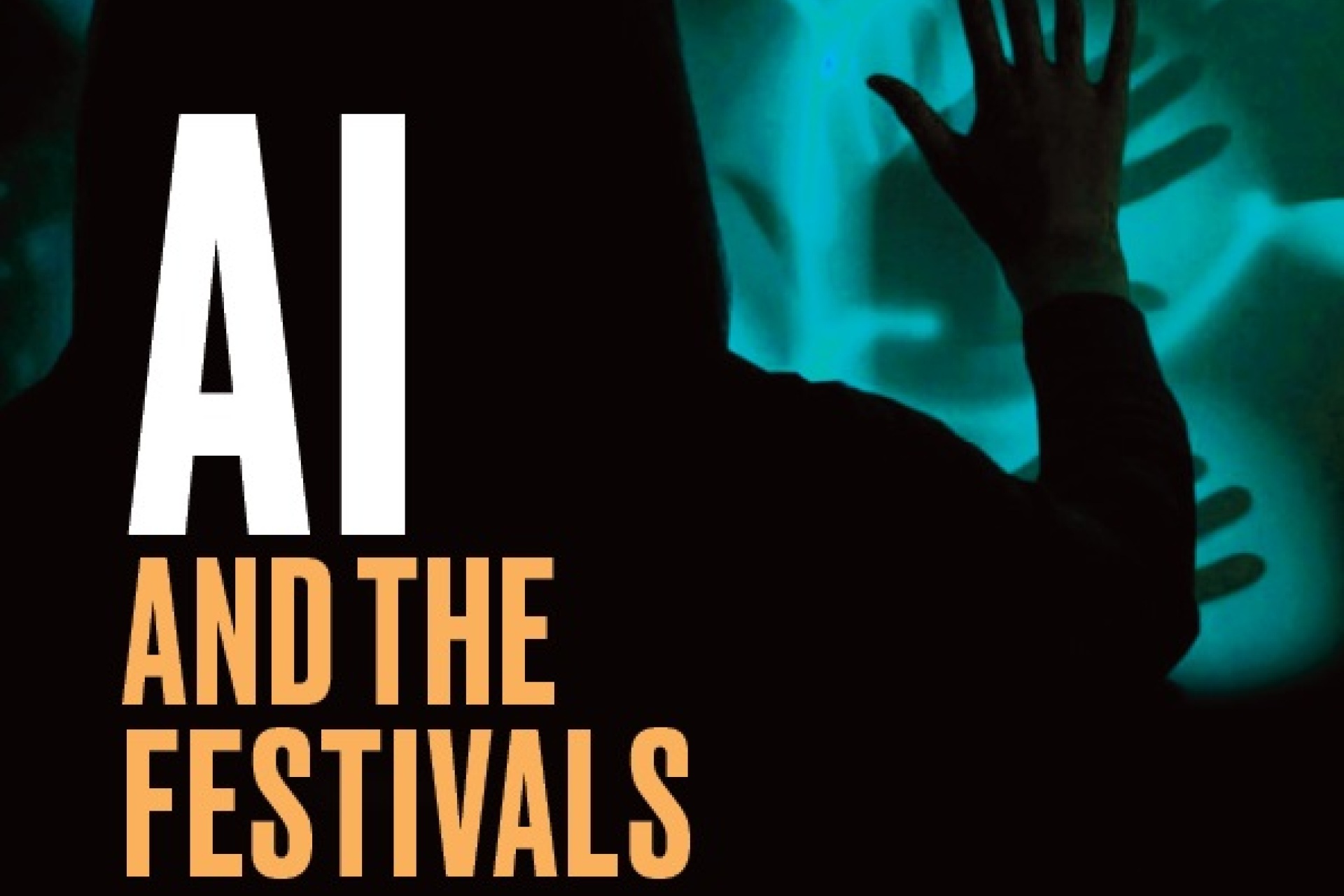
Titled AI and the Festivals, the publication brings together leading academics and thinkers to examine how AI is already reshaping artistic creation, audience engagement, labour, trust and cultural value and how festivals can take a leadership role in shaping humane, responsible and creatively ambitious AI futures.
Rather than framing AI as either a threat or a technological panacea, the publication argues that festivals occupy a unique position as trusted cultural convenors: places where new technologies can be tested, interrogated and translated into meaningful public experience.
Contributors stress that AI should not be treated solely as a technical efficiency tool. Instead, they agree that AI is a profound cultural force, one that raises urgent questions about creativity, authenticity, authorship, labour, equity and power.
James McVeigh, Head of Innovation and Marketing at Festivals Edinburgh, said: “This publication is not about jumping on an AI bandwagon. It’s about asking harder, more interesting questions about what kind of cultural futures we want and recognising that festivals have a real responsibility, and opportunity, to help shape that conversation.”
The publication was made possible with the support of VisitScotland and Rebecca Edser, VisitScotland’s Head of Events, said: “AI presents real opportunities for the events sector, from improving accessibility and operations to supporting creative development but it must be applied in a way that reflects the values of our industry. This publication highlights the important role festivals can play as spaces to explore innovation responsibly, ensuring technology supports - rather than replaces - the human stories and connections that make our events so distinctive.”
In the opening contribution Professor Drew Hemment [Alan Turing Institute] states: “AI is not just something culture reacts to. Culture actively shapes what AI becomes. Edinburgh’s festivals have already shown that commissioning bold, critical work can influence international conversations about technology, power and representation.”
While generative tools are increasingly visible in areas such as marketing and content production, the report cautions against over‑reliance on automation where human judgement, interpretation and care are essential.
The publication positions Edinburgh as an international centre for responsible and creative AI practice, drawing on long‑standing collaborations between festivals, universities, researchers and public bodies.
Professor Hemment added: “Festivals can function as living laboratories; spaces where artists, technologists and audiences meet to explore what new technologies actually mean in lived, shared experience, not just in theory.”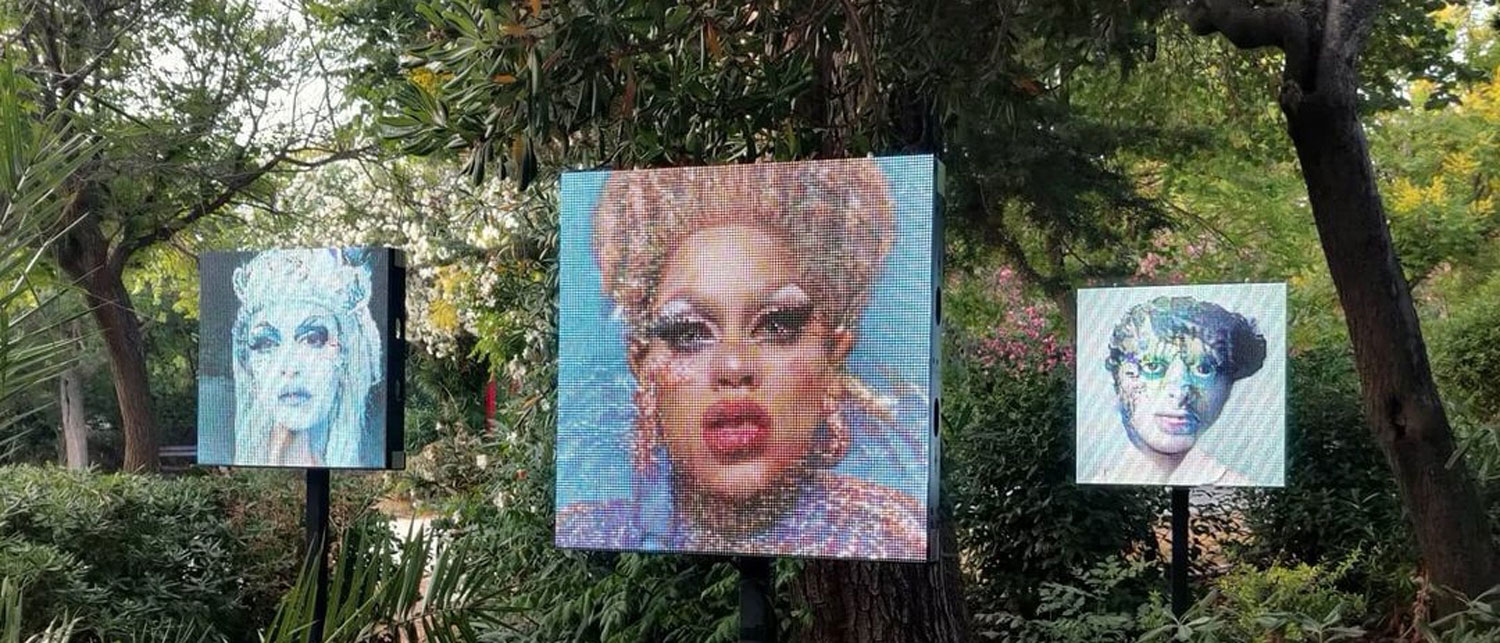
A central theme of the publication is trust. As AI‑assisted and AI‑generated content becomes increasingly difficult to distinguish, audiences are seeking clarity about how work has been made, why AI has been used, and what its use signifies.
The publication argues that simplistic labels such as “AI‑generated” are no longer sufficient, urging festivals to adopt clearer, more nuanced language and provenance practices that support audience trust without constraining artistic freedom.
In his contribution Dr Vaishak Belle [Bayes Centre] comments: “Audiences don’t just want to know whether AI was used, they want to understand intention, accountability and meaning. Festivals have a critical role to play in framing work clearly and responsibly, especially in fast‑moving digital environments…. Festivals exist precisely to nurture interpretation, risk and imagination. No algorithm can do that.”
In a similar vein, Janette Roush [Brand USA] draws lessons from the experience of Broadway in the concluding contribution, warning that ‘AI could flatten cultural offerings to safe, recognizable choices, erasing the discovery that makes festivals vital’ and suggesting that this should be of most concern to the Edinburgh Festivals.
While AI‑generated art often attracts the most attention, the publication points to a quieter but highly impactful opportunity: behind‑the‑scenes operations. Used thoughtfully, AI can reduce administrative burden, improve scheduling and logistics, enhance accessibility and free up staff time for creative and strategic work.
Writing in the publication, Joshua Ryan-Saha [Traveltech for Scotland] says: “The most powerful use of AI won’t make headlines. It’s the operational work: ticketing, schedules, workflows that quietly gives people back time to do what they’re actually good at.”
The publication calls on festivals to lead with values, not just tools, investing in long‑term thinking, cross‑sector collaboration and public engagement.
Commenting on behalf of the festivals, James McVeigh added: “AI is increasingly part of how culture is made, promoted and found. The question is how festivals can help shape that future rather than simply respond to it.”
The publication 'AI and the Festivals' can be downloaded HERE.
______________________________________________________________
Image Credit: Zizi & Me by Jake Elwes - commissioned for EIF - Photo@Stelios Tzetzias, courtesy of Onassi Stegi .